
How AI and Legal Tech Power Modern Adjudication
Adjudication is a 28-day dispute resolution process where an independent, expert adjudicator delivers a binding "pay now, argue later" decision.
ArticlesNavigating a construction dispute can feel like being trapped in a procedural quagmire, where time and cash flow steadily drain away. Adjudication, as mandated by the Housing Grants, Construction and Regeneration Act 1996, is a 28-day dispute resolution process where an independent, expert adjudicator delivers a binding "pay now, argue later" decision. This interim award is enforceable through the courts, providing a crucial mechanism to unstick projects and maintain commercial momentum while preserving the right to a final determination through arbitration or litigation down the line.
This dispute resolution mechanism is a vital pressure valve for an overburdened court system. While the Technology and Construction Court (TCC) is highly effective, parties can face an 18-month wait for a trial date. Adjudication offers a legally robust and immediate form of justice that the court system simply cannot match for timeliness. It is justice on a stopwatch, engineered for the relentless pace of the construction industry.
This demand for rapid resolution aligns perfectly with a wider shift in the construction indsutry, where the use of AI and automation technology is now seen as a present-day imperative. This adoption is driven by the same core needs for time and cost efficiency that made adjudication essential. Furthermore, as the industry digitises, the very nature of evidence is transforming. Modern projects generate vast data from sensors, drones, and complex digital models. This evolution creates both new opportunities and new challenges for the adjudication process, particularly around managing complexity and expert evidence. The question becomes: can technology also provide the tools to address the challenges it introduces?
Taming the Document Tsunami, Intelligently
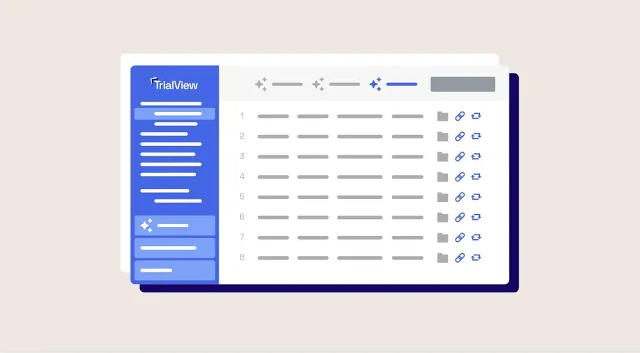
In complex final account or defects disputes, the volume of documents—from emails and programmes to technical drawings and certification—can be overwhelming. Manually navigating this during the abbreviated process risks missing crucial details. TrialView’s AI-driven platform acts as a force multiplier for adjudicators and legal teams. It doesn’t just store documents; it intelligently organises, tags, and surfaces key information. Imagine an adjudicator being able to instantly trace all correspondence related to a specific variation, or a party’s representative quickly isolating every mention of a disputed defect across thousands of pages.
This capability is crucial as the very nature of evidence evolves. Adjudicators are increasingly required to make sense of a digital forensics environment, not just paper trails. TrialView helps organise and interrogate this data within the tight procedural window, augmenting expert scrutiny. It ensures the adjudicator’s precious time is spent on analysis and decision making, not administrative archaeology.
Visualising the Timeline, Clarifying the Narrative
Many construction disputes hinge on the precise sequence of events. A delay claim or an argument over alleged negligence can live or die on the timeline. TrialView’s dynamic chronology tools allow parties to build and present an interactive, visual timeline of the project. This transforms subjective narratives into clear, evidence-based sequences that an adjudicator can quickly comprehend and interrogate. By visually mapping submissions, notices, and site events against the contract programme, parties can present a far more compelling and immediate case, directly supporting the adjudicator’s need to grasp complex facts with speed.
Streamlining the Core Adjudication Workflow
The 28-day process follows a strict dance of referral, response, and reply. TrialView’s secure, centralised platform is designed for this very cadence. It provides a structured, transparent, and immutable environment for the exchange of submissions and evidence. This eliminates the "email chaos" that can plague fast-tracked procedures, ensures all parties are working from the same core bundle at all times, and creates a clear audit trail. For the adjudicator, it offers a single, organised digital workspace, replacing scattered files and countless attachments. This operational efficiency safeguards procedural integrity and shaves valuable days off administrative overhead, keeping the focus squarely on the merits of the dispute.
Facilitating Informed, Early Perspectives
While the adjudicator’s decision is ultimately theirs alone, the process benefits from maximum early clarity. TrialView’s analytical tools can provide parties with a preliminary, high-level assessment of case themes and document relationships. This can encourage more focused and realistic submissions from the outset, potentially narrowing issues before they even reach the adjudicator. It supports a more targeted and efficient process, aligning perfectly with adjudication’s foundational goal: a swift, pragmatic resolution that keeps the project moving.
Embracing technology does not mean sidelining the adjudicator's expertise. In fact, emerging best practice guidelines emphasise that AI's role is to augment human decision-making with efficiency and clarity, not replace it. TrialView provides powerful analytical tools while ensuring the adjudicator remains firmly in command. This maintains the transparent, reasoned judgement that is the hallmark of a fair process and avoids the opacity sometimes associated with advanced technology.
Conclusion: Future-Proofing a Vital Process
In a landscape where the TCC faces significant delays, adjudication remains the cornerstone for timely justice in construction. However, its effectiveness hinges on managing modern complexity under extreme time pressure. TrialView moves beyond generic ADR support by offering a suite of tools specifically designed to honour the rigour and pace of adjudication. It empowers adjudicators to wield their expertise with greater precision and enables parties to present their case with unmatched clarity.
Ultimately, the goal is to future-proof the adjudication process itself. By integrating specialised technological tools that respect its unique pace and principles, we can ensure adjudication continues to deliver its core promise of swift, binding justice. It will thereby evolve to meet the demands of an increasingly digital construction landscape, maintaining its vital role as the industry's indispensable pressure valve.

Civil Justice Council Consults on Rules for AI Use in Court Documents

How Law Firms Are Winning More By Doing Less

One Case, One Platform? How to Fix the Fragmentation

The EU AI Act and International Arbitration
How TrialView Supports the Entire Case Lifecycle - From First Instruction to Final Resolution
Counsel in the Age of AI
See TrialView in action
As one of the leading litigation platforms, TrialView is the perfect addition to your tech stack. Book a free demo to get started.
Book a demo