
Is AI A New Form of ADR?
During LIDW 2026, we brought together an impressive panel of experts to discuss AI in ADR, in conjunction with TECSA and TECBAR.
EventsDuring LIDW 2026, we brought together an impressive panel of experts to discuss the above question, in conjunction with TECSA and TECBAR.
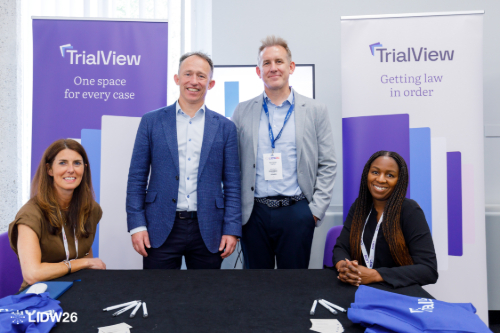
Chaired by Dr Stacy Sinclair; Mrs Justice Joanna Smith, Matt Molloy, Rebecca Keating and Stephen Dowling SC explored how AI is beginning to reshape the architecture of legal dispute resolution itself.
Where are we now?
The immediate value of AI in litigation is clear, it excels at handling sheer volumes of documents, surfacing relevant information at speed, and accelerating disclosure, long considered one of the most resource-intensive stages of any case. But the technology is evolving fast. The latest developments in agentic AI allow practitioners to build tailored frameworks, defining who they are, what they do, and how they work, with the model storing that context in a memory bank and applying it intelligently across a case. Coding practice is also shifting, with AI now able to understand a legal framework and work purposefully within it.
That said, the panel was candid, the ROI conversation still sits somewhere between hype and reality. Many firms are playing around the edges. For most, it remains a waiting game.
The judicial perspective
Judges are already contending with the practical reality of AI:, managing vast quantities of paper, litigants in person arriving either better prepared than ever before (or with overwhelming levels of document and submissions) all whilst facing an existential question about the future role of the courts and tribunals. Disclosure was identified as a core use case, with AI already embedded in some court processes for years.
Adoption at the bar, however, is polarising. Where barristers bear the cost themselves, enthusiasm is understandably more muted.
AI ADR and the question of trust
The panel explored the emerging possibility of AI-assisted dispute resolution, particularly for cases where the legal framework is clear and the outcome predictable, such as parking disputes. The case for removing a human decision-maker in such instances has genuine merit. The panel agreed on a crucial point; any AI decision-making process must include a right of appeal to a human, and no one should feel powerless in the face of an algorithmic outcome.
Trust was the recurring theme. How do parties buy in? How do you trust the company that built the technology? With hallucinations and accuracy issues still dominating headlines, the technology must earn confidence before it earns authority. Emotional cases and complex litigation, the panel agreed, are not the territory for AI adjudication.
The regulatory picture
The CJC consultation is already grappling with where AI sits in the procedural framework. The panel discussed pleadings, expert reports, and counsel documents, noting that counsel remains responsible for anything filed, and clients continue to sign statements of truth. Witness statements should not be AI-generated. Expert reports require a declaration identifying whether AI was used and which model. The principle is one of transparency and a level playing field.
Questions around arbitration raised a different concern. As AI takes on the role of summarising
positions and managing procedural history, are we quietly eroding the pipeline of junior lawyers and tribunal secretaries who built their expertise doing exactly that work?
The smarter question
Perhaps the most thought-provoking moment came near the close. Rather than using AI to replace legal skills, the panel advocated for using it to augment them, view more as a second set of eyes, a sparring partner, or a devil's advocate. AI offers something genuinely valuable here, offering the ability to cut to the heart of a case earlier, before the issues calcify and the truly important questions get buried.
And on the accuracy debate, one audience member landed the sharpest line of the evening, “why are we so anxious about 99.9% accuracy from AI, when human decision-making has never come close to that standard?”
Perhaps an additional question is not why we demand more from AI than from humans, but what it will take before we extend to AI the same professional trust we extend to a colleague, or moreover, whether that day will, or should, ever come.
Civil Justice Council Consults on Rules for AI Use in Court Documents

How Law Firms Are Winning More By Doing Less

One Case, One Platform? How to Fix the Fragmentation

The EU AI Act and International Arbitration
How TrialView Supports the Entire Case Lifecycle - From First Instruction to Final Resolution
Counsel in the Age of AI
See TrialView in action
As one of the leading litigation platforms, TrialView is the perfect addition to your tech stack. Book a free demo to get started.
Book a demo